Britain Begs Washington for a Diesel Lifeline as Trump Weighs Export Ban.
Britain Begs Washington for a Diesel Lifeline as Trump Weighs Export Ban.
With pump prices at an all-time high and only 42 days of fuel in reserve, London is lobbying for an exemption from a US ban that hasn't even been ordered yet
Britain's diesel bill is already the highest it has ever been, and Ministers now fear Donald Trump could make it worse. The UK government is privately lobbying the Trump administration for an exemption from any potential US diesel export ban, according to Bloomberg, which cited a person familiar with the matter.
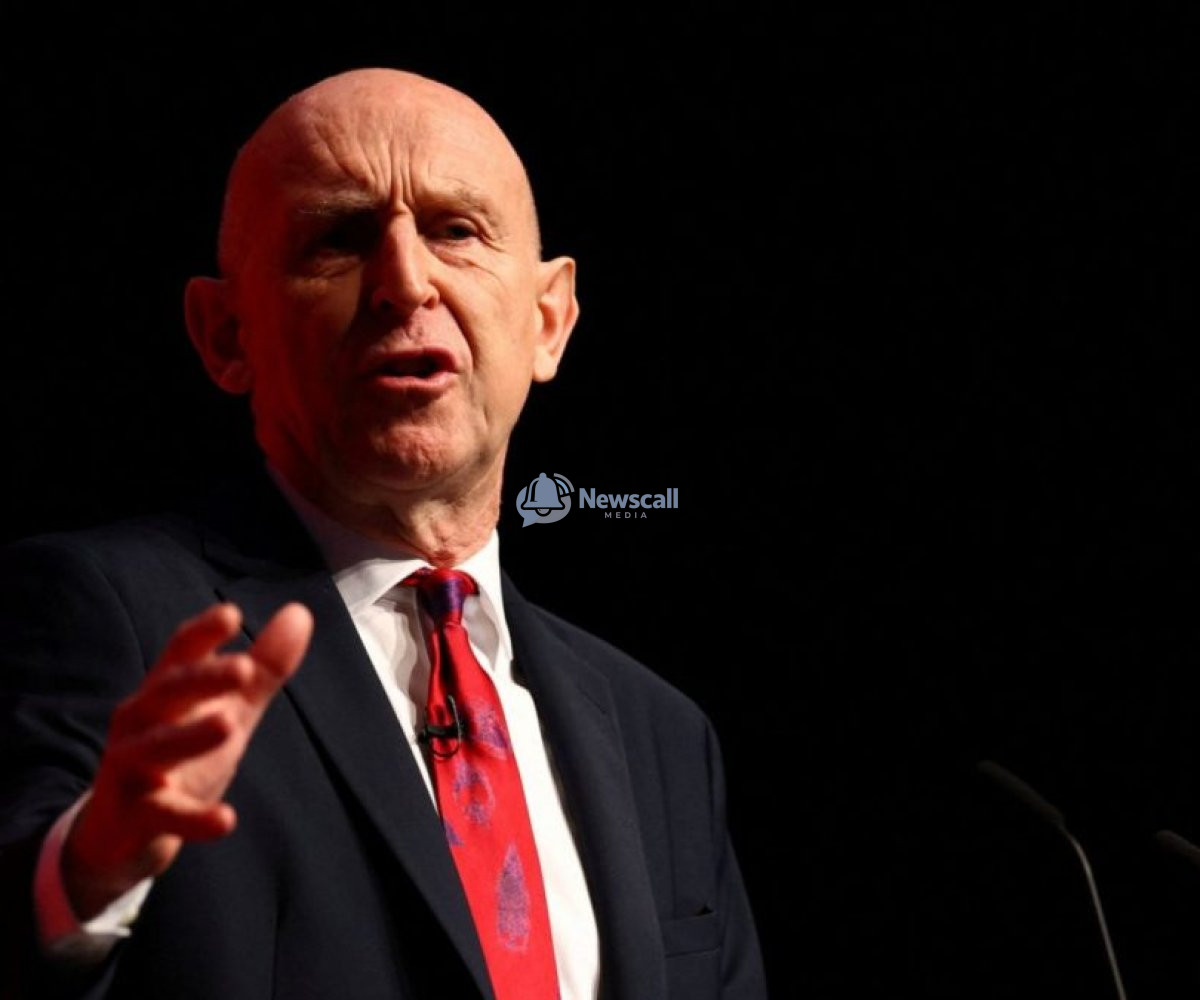
Chancellor John Healey confirmed on Monday, at Labour's conference in Liverpool, that the government is "in discussions with the Americans" and has started planning for a possible ban, including tapping national fuel stocks if needed.
A record at the pumps
Drivers need no reminder of the stakes. The average litre of diesel cost 199.18p on Monday, according to the RAC. That is 56.8p more than at the start of the US-Iran war on 28 February, when it averaged 142.38p. It also breaks the previous record of 199.09p, set in June 2022 after Russia invaded Ukraine. Healey called current prices "extreme" and warned that a US curtailment would push them higher.
What Trump has said
The scare began when Trump said he supported a diesel export ban as a way to bring down prices at home, adding that the administration was "thinking about it very seriously." On 27 September he went further, saying "we may do it." The pressure is domestic: US politicians are searching for ways to bring down record fuel prices. Treasury Secretary Scott Bessent has said a review is under way into whether a ban could work. (What could happen in the UK if Donald Trump bans diesel exports? +3)
Washington is divided
Nothing has been decided, and the administration is split. Energy Secretary Chris Wright has played down a blanket ban and said a voluntary, targeted cap on overseas sales is being considered. He has called an embargo a "blunt tool" that doesn't work. The White House has denied a report that it is preparing a 90-day export ban. Even so, Politico reported that Trump has not formally ruled out restrictions. (Burnham under pressure to protect Britain from Trump’s diesel ban +2)
The oil industry is also pushing back. The American Petroleum Institute said a ban would remove the world's single largest source of diesel from the market, with "catastrophic" consequences that would reach the US economy too.
Why Britain is so exposed
The UK's vulnerability is largely self-made. Grangemouth and Lindsey closed last year, leaving only four working refineries. Britain now imports about 54% to 55% of its road diesel. The US is a major source: it supplied about 31% of Britain's diesel imports in 2025, according to UK government data. The Netherlands and the US together provided 58% of white-diesel imports, meeting 32% of total UK demand. (What could happen in the UK if Donald Trump bans diesel exports? +2)
Reserves are thin. The UK holds around 42 days of diesel stocks, which could leave it worse off than other European countries. Healey has said 42 days' worth of fuel meets the stocks the UK needs.
A global squeeze
The market was tight before Trump's remarks. Middle Eastern diesel exports between March and August were around half their level a year earlier, and Russian supplies are also constrained. Ukraine has targeted many Russian refineries, including a key facility near Moscow this month. That has pushed extra demand onto other exporters such as the US and raised wholesale prices.
How bad could it get?
Estimates vary widely. Stonehaven consultant Adam Bell has not ruled out diesel above £3 a litre. Panmure Liberum analysts say £2.50 is "not unreasonable." RSM chief economist Thomas Pugh expects an "immediate effect" on the UK, with real shortages possible if a ban lasted long enough.
Others urge calm. A ban would not necessarily leave British forecourts dry, since the UK imported diesel from 28 trading partners in 2024, and the government insists supplies are resilient.
Political heat
The issue has become a weapon at Westminster. Reform UK's Robert Jenrick said any ban should exempt the UK "in recognition of our long-standing special relationship." He accused Prime Minister Andy Burnham of "wasting precious leverage" on the Chagos issue instead of protecting British drivers.
An exemption for Britain would raise trade-law questions. Analysts note that GATT Article XI generally prohibits export restrictions, but allows temporary ones to relieve critical shortages of essential products. Selective exemptions for some countries and not others could also draw scrutiny.
What happens next
For now, Britain is lobbying and stockpiling in equal measure, and waiting on a president who has yet to decide. If Washington opts for a soft, voluntary cap rather than a hard ban, the damage may be limited. If it goes further, the UK's shrinking refining base and modest reserves will be tested.

Anozie Chiemerie Emmanuel
Writer