A POSSIBLE TURNING POINT? US Moves to Bring Europe Into Ukraine Peace Talks as Prisoner Exchange Plans Emerge
DUBLIN / WASHINGTON / KYIV, 13 November 2026
Efforts to negotiate an end to Russia's war against Ukraine have gained a new diplomatic dimension after US President Donald Trump's special envoys indicated that European countries would be included in the next round of peace negotiations. Washington has also announced that it is working towards what could become the largest prisoner exchange since Russia launched its full-scale invasion in February 2022.
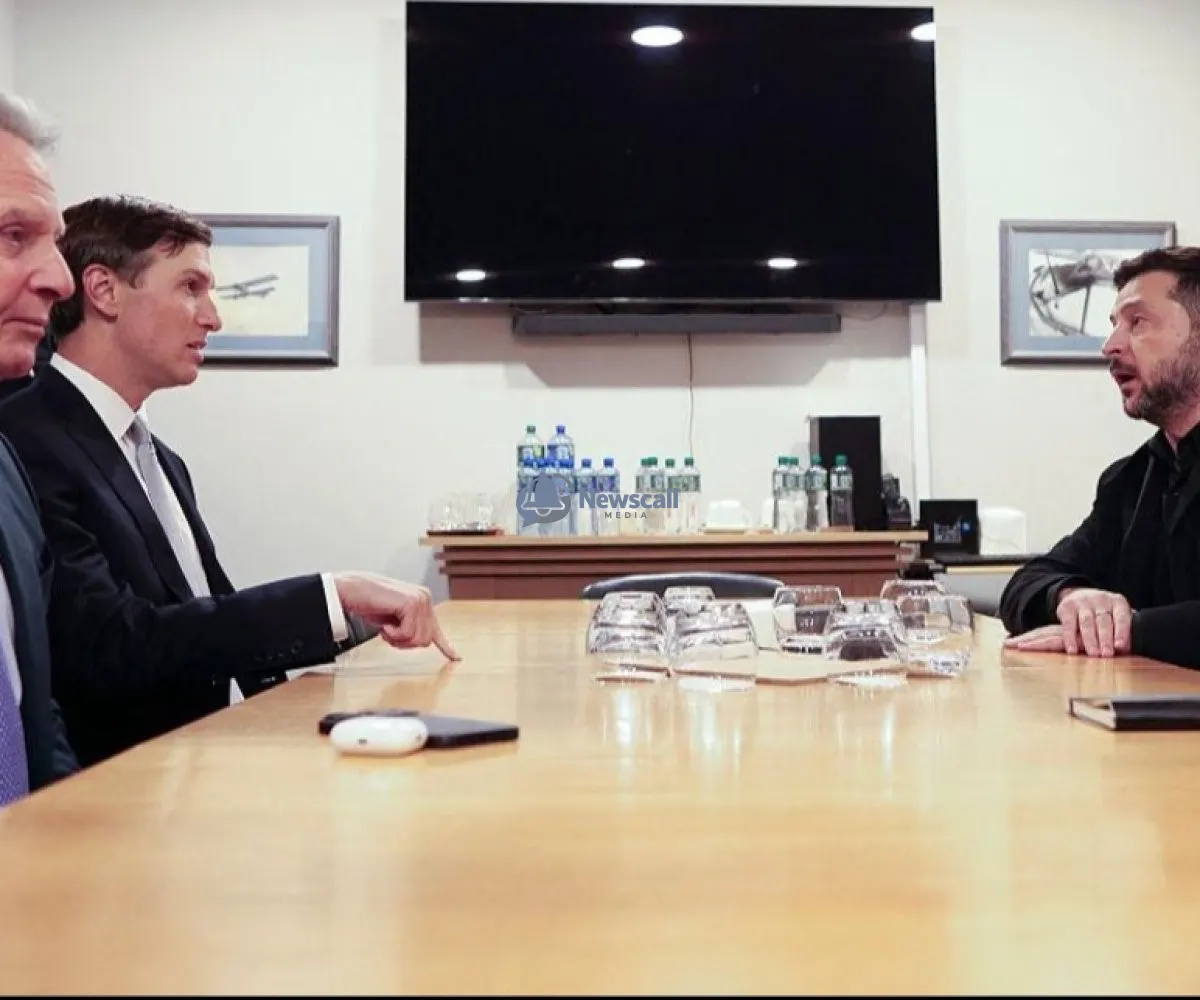
The developments followed a series of diplomatic engagements involving US envoys Steve Witkoff and Jared Kushner, Russian President Vladimir Putin and Ukrainian President Volodymyr Zelensky.
According to Reuters, the American envoys travelled to Moscow to meet Putin before meeting Zelensky in Dublin on Thursday, 12 November. Their discussions followed a round of direct Russia–Ukraine talks in Abu Dhabi, the first such round in nine months.
Kushner announced that Russia and Ukraine had agreed to expand the next round of negotiations to include European countries. He also said Washington was working towards a prisoner exchange that could reunite thousands of people with their families.
However, the proposed prisoner exchange has not yet been completed. No definitive list of participants, exchange arrangements or implementation date has been publicly established.
The possible inclusion of European countries is particularly significant because European governments have repeatedly argued that they cannot be excluded from decisions concerning the future security of their continent.
The war has fundamentally changed Europe's security environment. Russia's invasion of Ukraine in February 2022 triggered extensive military, economic and diplomatic consequences, including sanctions against Moscow, increased European defence spending and extensive support for Kyiv.
European leaders have therefore insisted that any settlement must respect Ukraine's sovereignty and territorial integrity.
At the European Political Community summit in Dublin, attended by approximately 40 European leaders, these concerns featured prominently. European representatives stressed that the future of European security should not be determined through negotiations conducted without their participation.
French President Emmanuel Macron and other European leaders have argued for a coordinated European position. Ukrainian officials have similarly maintained that a sustainable peace agreement must account for Ukraine's security interests.
Nevertheless, important disagreements remain.
Russia currently controls approximately one-fifth of Ukrainian territory, including areas it claims to have annexed. Moscow continues to insist on territorial concessions, while Kyiv has rejected surrendering the remaining parts of the eastern Donbas region.
The question of future security guarantees is equally difficult. Ukraine wants credible arrangements that would prevent another Russian invasion. European governments have discussed possible security mechanisms, including international involvement, but Moscow has rejected proposals involving European troops in Ukraine.
Le Monde's reporting from Dublin adds an important qualification to the announcement. Although the American envoys said European participation had been accepted, Moscow had not formally confirmed the arrangement at the time of publication.
This distinction matters. A diplomatic announcement about a proposed negotiating format is not the same as a completed agreement, much less a peace settlement.
The proposed prisoner exchange could nevertheless provide an important humanitarian development. Thousands of families on both sides of the conflict have endured prolonged separation, uncertainty and the consequences of captivity.
For the United States, bringing the parties together represents another attempt by the Trump administration to secure a diplomatic breakthrough. But negotiations will require more than meetings and encouraging public statements.
The central obstacles remain territory, security guarantees, the future status of occupied regions and the conditions under which fighting could stop.
The coming negotiations may establish a more inclusive diplomatic process. Whether that process can produce an enforceable ceasefire and a lasting peace remains uncertain.
The bigger question: Can Washington persuade Moscow and Kyiv to compromise on the issues that have kept the war going, or will the negotiations become another diplomatic exercise without a settlement?

OKORO WILSON EGWU
“Independent journalist delivering sharp, reporting on global conflicts, humanitarian crises, and international diplomacy. Known for transforming complex world events into...