


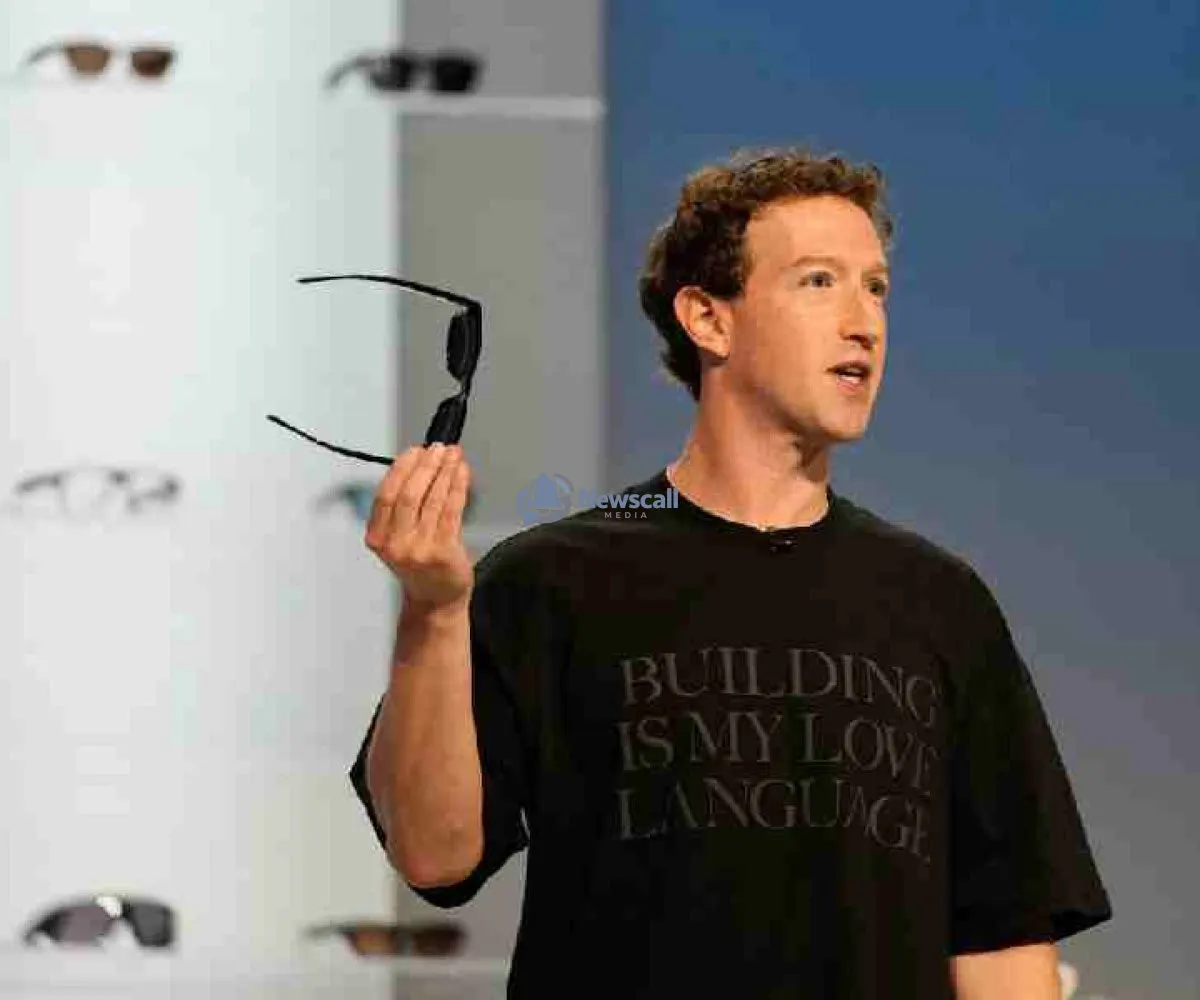
Zuckerberg Cuts Deal With Meta Board to Cover Potential $11 Billion California Billionaire Tax.
Meta CEO Mark Zuckerberg has struck an arrangement with his company's board that would allow him to pay a proposed California billionaire tax without surrendering his controlling stake in the tech giant he founded, according to regulatory filings made public this week.
Californians will vote on November 3 on a ballot measure that, if passed, would impose a one time 5 per cent levy on the wealth of state residents whose net worth tops $1 billion. For Zuckerberg ranked by Forbes as the world's sixth richest person with an estimated fortune exceeding $220 billion that could mean a tax bill of more than $11 billion.
Under the actions announced by Meta on Wednesday, Zuckerberg will retain his position as majority owner of the company while gaining the ability to sell a new class of non voting shares "for any reason," including to settle potential wealth tax liabilities. The new stock represents roughly 10 per cent of his overall economic stake in Meta.
The compromise followed a tense stretch in which Zuckerberg reportedly told the board last month that he was weighing the sale of his Palo Alto home in anticipation of the tax. He ultimately agreed to the deal and committed to remaining in California for eight years, unless "material unforeseen circumstances" arise that make it "prudent or advisable for him to reside elsewhere," the filings state.
The measure would apply to anyone whose primary residence was in California as of January 1, 2026. A few hundred billionaires are estimated to live in the state, according to the nonpartisan Legislative Analyst's Office. Most of the revenue raised would backfill federal cuts to healthcare funding, with 10 per cent earmarked for education and food assistance programmes. Supporters, including SEIU United Healthcare Workers West and Vermont Senator Bernie Sanders, argue the tax ensures the ultra wealthy pay their fair share.
Critics, among them California Governor Gavin Newsom, have cautioned that the measure could drive the state's richest residents elsewhere, jeopardising future income tax revenue. The union, however, said the Zuckerberg deal demolishes such warnings. "This is the nail in the coffin to months of scare tactics claiming that billionaires are fleeing California," said chief of staff Suzanne Jimenez.
Not everyone is staying put. Google co-founders Sergey Brin and Larry Page have begun severing ties with the state, and Brin has poured millions into a political action committee opposing the tax. Building a Better California has raised over $333 million 30 per cent from Brin alone compared with $32.7 million raised by the "Yes on 40" campaign.
Zuckerberg has drawn a $1 annual salary since 2013. Meta argued in its filings that, under the wealth tax, he would "effectively be paying to serve as the company's chief executive officer while residing in California," and said the sellable stock would help offset that burden.
Meta also framed the new share class as a broader financial tool, intended to boost capital raising capacity for its artificial intelligence infrastructure and to support employee compensation and acquisitions. "It will expand our funding tools and give us flexibility to invest behind the unprecedented momentum we are seeing across every part of our business driven by AI," said CFO Susan Li on an earnings call.

Umeanozie Prosper
Writer, Novelist,blogger, content creator


